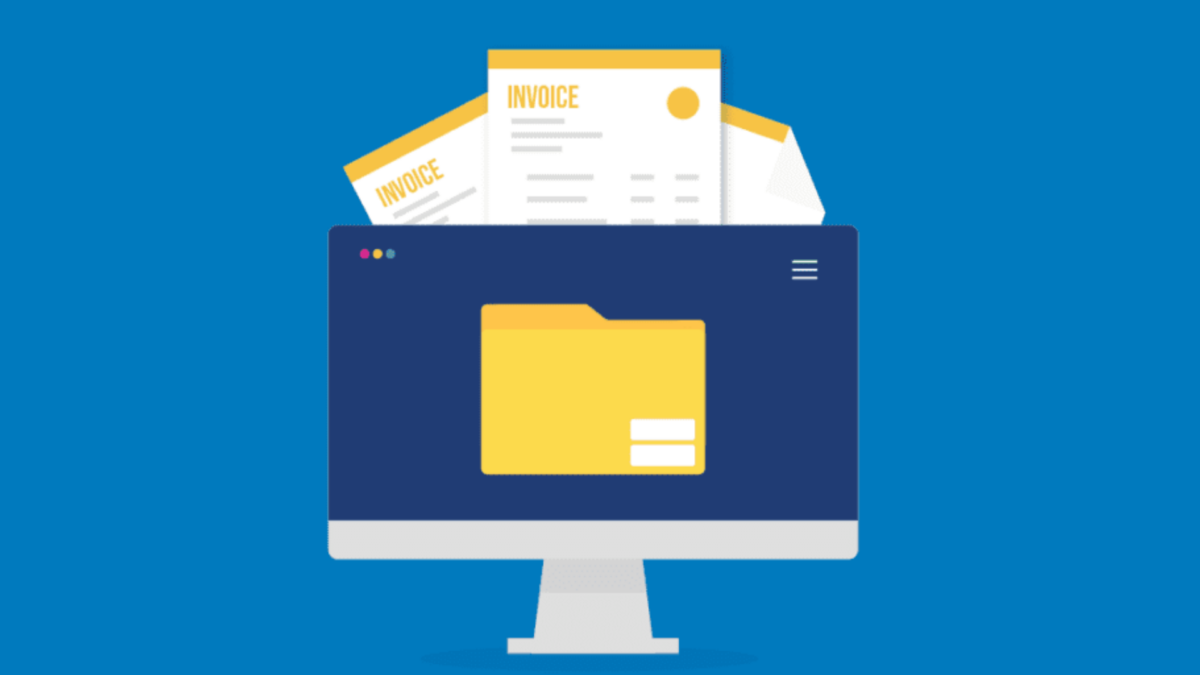
An organization partnered with Clear Measure to modernize its invoice data processing by replacing a partially automated and error-prone workflow with an AI-driven data extraction solution. The existing process lacked consistency, scalability, and accuracy, making it difficult to efficiently capture, organize, and analyze invoice data.
Clear Measure provided architectural leadership, technical expertise, and project coordination to design and build an AI-powered pipeline capable of automating data extraction while maintaining high precision and cost efficiency.
The engagement included developing and testing a working prototype, validating results through manual reviews and sample analysis, and evaluating alternative models to ensure optimal performance and value. Clear Measure also refined the architecture and codebase to support future development and scalability. Despite challenges with inconsistent source data, the solution achieved 93% validated accuracy, exceeding the organization’s 90% target. The result was a scalable, production-ready foundation that significantly reduces manual effort, improves data quality, and enables continued automation and operational efficiency.


“As a collaborative and inspirational leader, Brad combines his deep business acumen with industry strategy and technical expertise to empower teams and help others achieve their highest potential,” said N. Hansen, Fractional CIO and Globally Trusted Strategic Advisor, BizLogic LLC. Steve Hickman, CEO of Clear Measure, said, “Brad brings a sales background rooted in large enterprise accounts, which aligns well with the market Clear Measure is targeting. His experience with major account buying processes, competitive differentiation, and enterprise sales strategy will be a strong asset as we continue to grow.” “I am very excited to join Clear Measure for its unparalleled thought leadership in continually driving and bringing to our clients the latest best practices in custom software development and delivering a clear and measurable difference in resultant business outcomes,” said Brad. “I am also very thrilled to join this uniquely warm and highly collaborative culture.”Clear Measure is a full-service software architecture and engineering firm serving organizations using .NET and Azure. The company builds mission-critical custom software, rescues in-progress projects, and stabilizes systems that are not performing as expected. Clear Measure’s work is guided by five pillars: create clarity, establish quality, achieve stability, increase speed, and optimize the team. Services include custom software development, upgrade and migration initiatives, project rescue and jumpstart efforts, fractional leadership, and software audits. Through this approach, Clear Measure empowers teams to move fast, build smart, upgrade skills, and achieve successful software project outcomes. With Brad Clancy joining the team, Clear Measure continues to build on its commitment to strong client partnerships and long-term growth. Reach out to Brad directly at brad.clancy@clear-meausure.com
AI-Driven Development is changing how software teams think about designing, building, and delivering applications. By embedding AI into the development process, teams can move faster, reduce repetitive work, and make better architectural decisions, creating software that is maintainable and reliable. AI is not about replacing intelligence; it is automation that helps us move faster, not think for us.
The Role of AI in Modern Software Development
AI takes on repetitive or time-consuming tasks such as generating code patterns, refactoring, or analyzing code for potential issues. It does not make people smarter; it helps experienced teams move faster and stay focused on higher-level architecture and design decisions. When developers know what they are doing, AI accelerates their work. When they do not, it exposes gaps. The value comes from speed and consistency, not from intelligence.
Architecture Meets AI
Strong software architecture remains essential for scalable and maintainable applications. AI-driven development works alongside architectural best practices by:
Improving scalability and performance: By analyzing code and dependencies, AI helps identify slow areas and improve system design.
Enhancing collaboration: Developers, testers, and architects can use AI outputs to stay aligned with architecture and implementation strategies.
AI processes what is given to it and performs pattern matching, not reasoning. Integrating it into architecture-focused workflows results in faster builds and cleaner designs, but the intelligence still comes from the people using it.
Practical Benefits of AI-Driven Development
Teams see clear advantages from AI-driven development:
Faster coding and iteration: AI automates repetitive coding work so teams can focus on architecture.
Proactive problem detection: Pattern analysis identifies issues early, reducing rework.
Better code quality: Consistent, AI-assisted reviews help keep systems clean and maintainable.
Unlocking the Future of Software Delivery
AI-driven development is not a trend; it is a practical evolution in how software is built. There is no real intelligence here; it is automation that speeds up what skilled teams already know how to do. Combining AI with solid architectural practices enables organizations to deliver faster, more reliable software without the hype, focusing on accurate and efficient execution grounded in expertise.